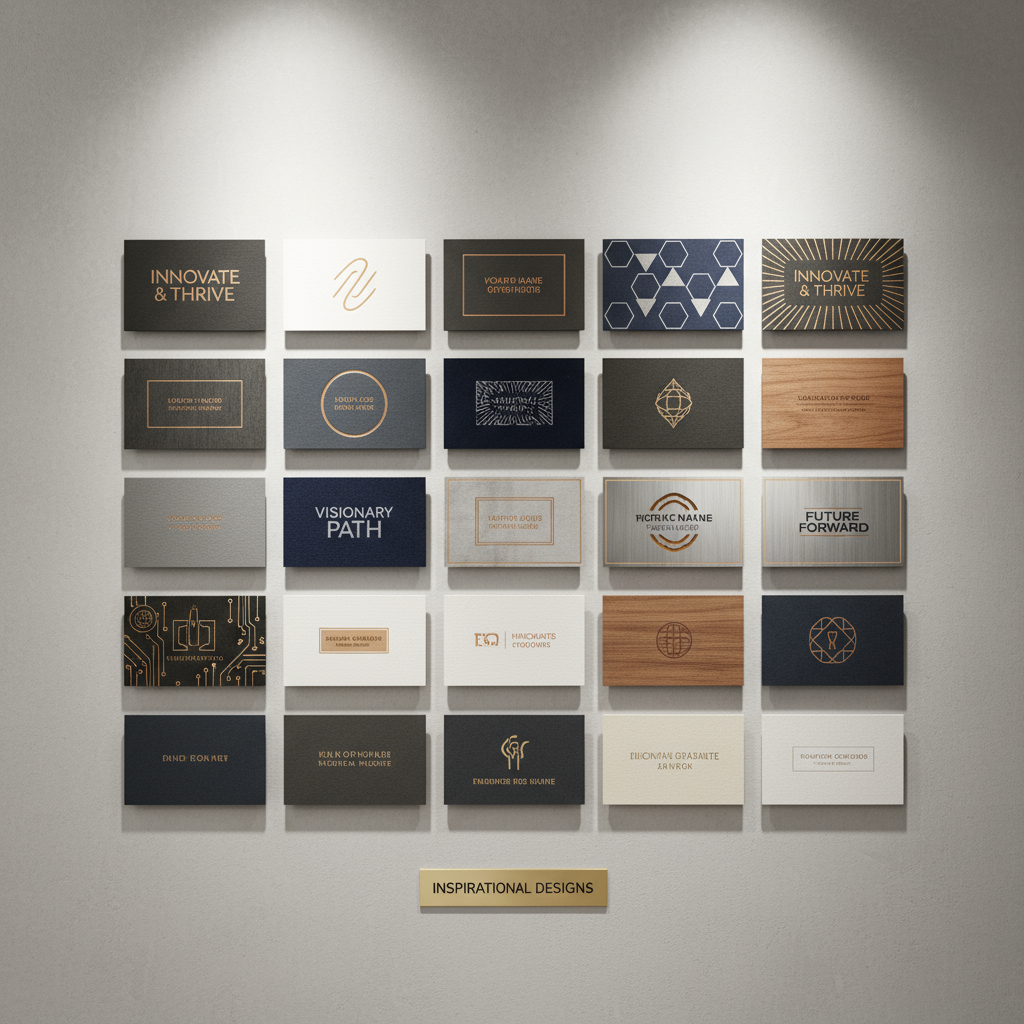
Your business card is often the first tangible impression you make on potential clients and partners. In a world where digital connections dominate, a well-designed business card stands out as a memorable touchpoint. Here are 10 expert tips to create business cards that people actually keep.
1. Keep It Simple and Focused
The most effective business cards embrace simplicity. Avoid cluttering your card with excessive information or design elements. Focus on the essentials: your name, title, company, phone number, email, and website. White space is your friend—it makes your card easier to read and more visually appealing.
2. Choose Typography Wisely
Typography can make or break your business card design. Select fonts that reflect your brand personality while maintaining readability. As a general rule:
- Use no more than 2-3 fonts to maintain visual harmony
- Ensure text is at least 8pt for readability
- Pair serif and sans-serif fonts for contrast and interest
- Avoid overly decorative fonts that sacrifice legibility
3. Master Color Psychology
Colors evoke emotions and associations. Choose your color palette strategically based on your industry and brand personality:
- Blue: Trust, professionalism, stability (finance, healthcare)
- Red: Energy, passion, urgency (food, entertainment)
- Green: Growth, health, sustainability (environmental, wellness)
- Black/Gold: Luxury, sophistication, premium (high-end services)
4. Invest in Premium Paper Quality
The tactile experience of your business card speaks volumes about your brand. Thick, high-quality paper stock (at least 14pt) conveys professionalism and attention to detail. Consider premium finishes like:
- Velvet Matte: Soft, luxurious feel with no glare
- Glossy: Vibrant colors and modern appeal
- Textured: Unique tactile experience that stands out
5. Add Premium Finishes
Special finishes elevate your card from ordinary to extraordinary. Popular options include:
- Foil Stamping: Metallic accents in gold, silver, or rose gold
- UV Coating: Spot gloss on logos or text for dimension
- Embossing/Debossing: Raised or recessed elements for texture
- Edge Painting: Colored edges for a pop of personality
6. Create Visual Hierarchy
Guide the reader's eye through your card with intentional visual hierarchy. Your name should be the most prominent element, followed by your title and company. Use size, weight, and color to establish this hierarchy naturally.
7. Include a Memorable Visual Element
Whether it's your logo, a unique pattern, or a striking image, include a visual element that makes your card instantly recognizable. This could be:
- A well-designed, professional logo
- A signature color or pattern
- A relevant icon or illustration
- A QR code linking to your portfolio or website
8. Consider Unique Shapes and Sizes
While standard business card size (3.5" × 2") fits perfectly in wallets, don't be afraid to think outside the box—literally. Rounded corners, square cards, or custom die-cut shapes can make your card more memorable. Just ensure it's still practical to carry and store.
9. Embrace Modern Technology
Integrate technology to bridge physical and digital networking. NFC (Near Field Communication) chips embedded in your card allow recipients to instantly save your contact information or visit your website with a simple tap of their smartphone. This modern touch demonstrates innovation and makes networking effortless.
10. Test Before You Print
Before committing to a full print run:
- Print a test version on your home printer to check sizing and layout
- Get feedback from colleagues or friends
- Verify all contact information is current and correct
- Check that text is readable at actual size
- Ensure colors will print as expected (CMYK vs RGB)
Conclusion
A well-designed business card is an investment in your professional image. By following these 10 tips, you'll create cards that not only look impressive but also effectively communicate your brand and make lasting connections. Remember, your business card is a reflection of you—make it count.